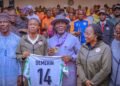









ABUJA — Nigeria officially launched FreeTV on June 17, 2026. This new platform changes how millions watch television across the country. It offers more than 100 digital channels without any monthly fees. Consequently, families can now enjoy quality content for free. This move supports the nation’s Digital Switch-Over (DSO) program.
Providing Relief Amid Rising Costs
Many Nigerians currently face high inflation and rising living costs. Meanwhile, traditional pay-TV services like DStv have increased their prices. Many subscribers have left those platforms recently. Therefore, FreeTV provides a much-needed alternative for struggling households. This initiative aligns with President Bola Ahmed Tinubu’s “Renewed Hope Agenda.” It focuses on inclusion and technology to improve daily life.
How to Access FreeTV Channels
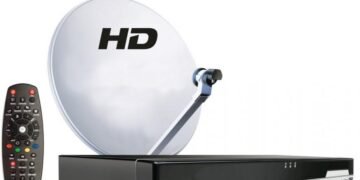
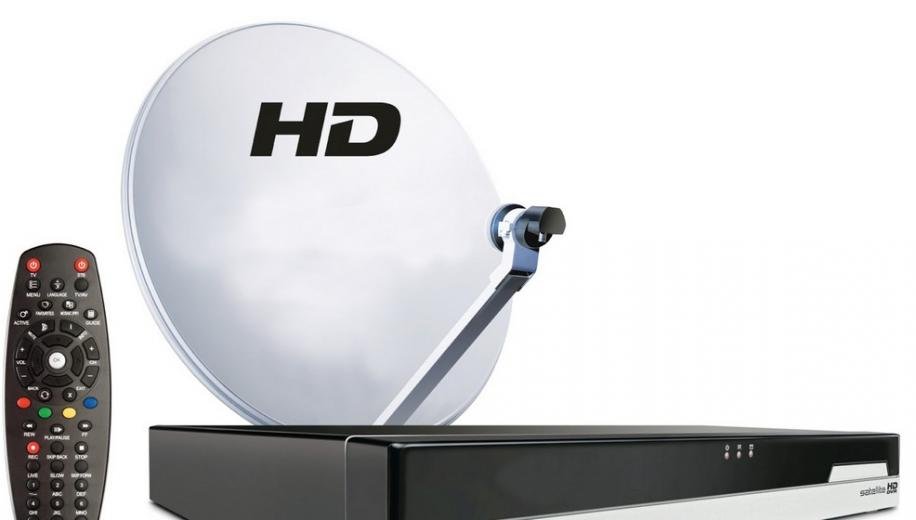
The platform features news, sports, movies, and music. It also includes dedicated channels in Yoruba, Hausa, and Igbo. Viewers can access the service via satellite, terrestrial signals, or a mobile app. Fortunately, you do not need a brand-new television. Existing sets work with compatible DVB-T2 or DVB-S2 decoders. Many users with free-to-air devices may already be ready to watch.
Boosting the Local Creative Economy
The government expects the platform to create many new jobs. Regional production hubs in Lagos, Kano, and Enugu will lead this growth. These centers will support editors, camera operators, and sound engineers.
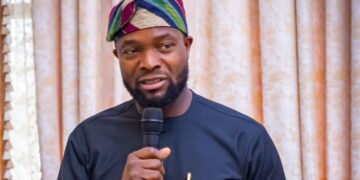
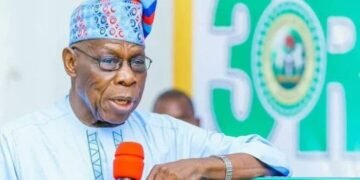
NBC Director-General Charles Ebuebu spoke about this vision. He said: “FreeTV speaks directly to President Bola Ahmed Tinubu’s vision of Renewed Hope towards expanding access, creating opportunity and ensuring that every Nigerian, regardless of location or income, can benefit from the digital economy. With FreeTV, families across Nigeria can enjoy quality digital television without a monthly subscription, while our local content producers, technicians and young creatives gain new platforms and new jobs.”

Is FreeTV Truly Free?
However, some experts question the total cost for users. Remi Ogunpitan, an industry leader, noted that setup expenses still exist. Families must buy a decoder and a satellite dish. They also need to pay for professional installation. Furthermore, the Broadcasting Organisations of Nigeria (BON) raised legal concerns. They questioned the shift toward satellite delivery instead of traditional ground-based towers.
The Final Switch to Digital Broadcasting
Nigeria missed the original international digital deadline in 2015. Now, the government aims for a final analogue switch-off by December 31, 2028. Information Minister Mohammed Idris highlighted the new use of audience data.
He stated: “Now science is at play. If you are viewing a station, we know who is watching what and how many people are watching. Advertisers can now take informed decisions about what programming Nigerians want across all demographics.”
Authorities now encourage citizens to verify their decoders. This step ensures everyone stays connected as the country moves toward a fully digital future.