

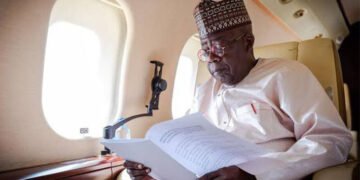

























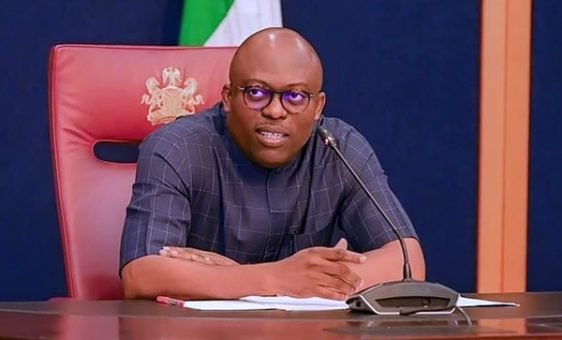
ABUJA, Nigeria – President Bola Ahmed Tinubu has lifted the State of Emergency in Rivers State, bringing an end to six months of emergency rule in the South-South oil-producing region. The decision, which takes effect from midnight on Wednesday, September 17, 2025, will allow Governor Siminalayi Fubara, Deputy Governor Ngozi Nma Odu, and members of the Rivers State House of Assembly to resume duties on September 18.
The president first declared the state of emergency on March 18, 2025, following a deep constitutional crisis between the governor and the state assembly that led to a near-total collapse of governance in the state. At the time, Tinubu controversially suspended the elected officials and transferred powers to an interim arrangement, saying the action was necessary to prevent further violence and political breakdown.
Controversy Over Tinubu’s Intervention
The suspension of Rivers officials was widely criticized across the country, with the Nigerian Bar Association (NBA) insisting that the president had no constitutional authority to remove elected leaders of a state. Civil society groups, political analysts, and opposition parties also accused the president of undermining democracy.
Despite the outcry, Tinubu defended his decision, explaining that the drastic step was aimed at restoring peace and preventing the constitutional deadlock from degenerating into anarchy.
On Wednesday, while lifting the emergency rule, the president acknowledged the controversy but stressed that the intervention had served its purpose.
“It therefore gives me great pleasure to declare that the emergency in Rivers State of Nigeria shall end with effect from midnight today,” President Tinubu announced. “The Governor, His Excellency Siminalayi Fubara, the deputy governor, Her Excellency Ngozi Nma Odu, and members of the Rivers State House of Assembly and the speaker, Martins Amaewhule, will resume work in their offices from 18 September 2025.”
Renewed Hope for Peace in Rivers State
The president expressed optimism that a new spirit of cooperation had emerged among stakeholders in Rivers.
“I am happy today that, from the intelligence available to me, there is a groundswell of a new spirit of understanding, a robust readiness, and potent enthusiasm on the part of all the stakeholders in Rivers State for an immediate return to democratic governance,” Tinubu said.
He also thanked the National Assembly for backing the emergency declaration in March, while appreciating the patience of traditional rulers and residents of Rivers State during the tense period.
Background of the Crisis
The political crisis in Rivers began late in 2024, when disagreements between Governor Fubara and members of the House of Assembly escalated into open confrontation. The conflict, which was partly fueled by factional divisions within the ruling party, brought legislative activities to a halt and stalled governance in the state.
Protests erupted in Port Harcourt and other parts of Rivers as loyalists of both sides clashed, raising fears of a breakdown of law and order in the oil-rich region, which plays a strategic role in Nigeria’s economy. The federal government’s intervention in March 2025 was seen as an attempt to prevent the crisis from spilling over into violence, though critics viewed it as an overreach of presidential powers.
What Comes Next
With the lifting of the state of emergency, Governor Fubara and the state assembly are expected to immediately resume work, focusing on rebuilding public trust and resuming stalled development projects. Analysts say the coming weeks will be critical in determining whether the fragile peace in Rivers can be sustained.

The president also used the occasion to caution political leaders across Nigeria. He urged governors and lawmakers to prioritize peace, order, and good governance, reminding them that the essence of democracy is service to the people.
“All elected officials must work together to deliver the dividends of democracy and protect the unity of our nation,” Tinubu emphasized.
Relief for Residents
For many residents of Rivers State, the end of emergency rule comes as a relief after months of uncertainty. Businesses, community leaders, and civil groups have expressed hope that the resumption of democratic governance will restore stability and allow development to move forward in one of Nigeria’s most important economic hubs.
Observers believe the decision marks a turning point in the state’s political crisis and a chance for Rivers leaders to chart a new course of cooperation and reconciliation.