





























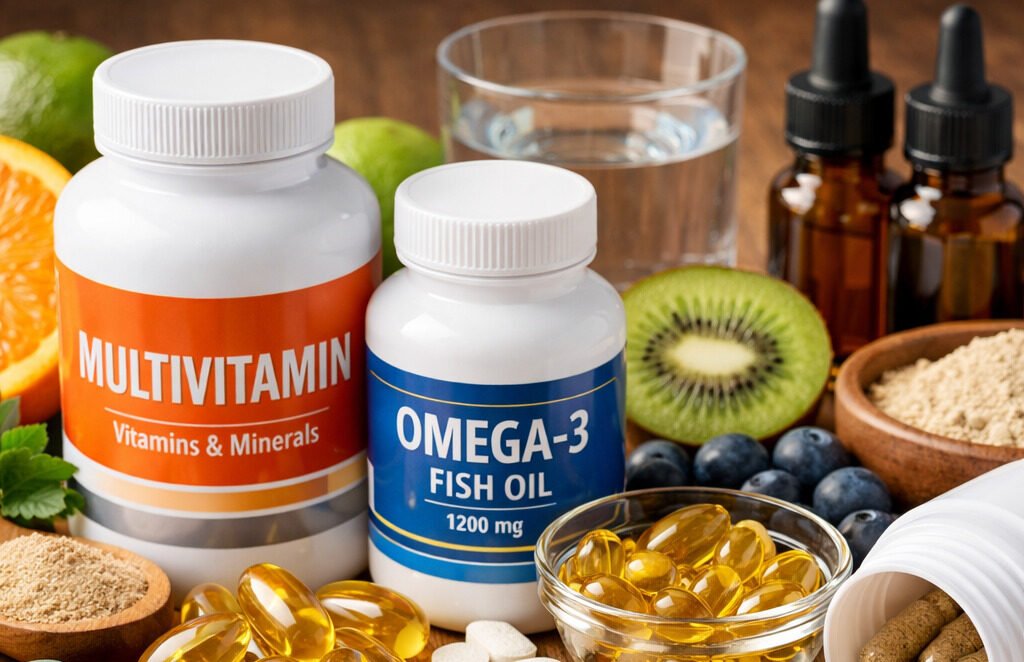
Do you take daily supplements? Timing changes everything. Actually, the best time to take vitamins depends on their type and dietary needs. If you take them incorrectly, your body might flush them out. Conversely, taking them correctly boosts their benefits.
If you take a pill at the wrong moment, it passes right through you. However, the right schedule boosts your health significantly. Here is a simple guide to optimizing your routine.
The Water-Soluble Group: Flexible Energy
First, let’s look at the “water-soluble” group. This category includes Vitamin C and all eight B vitamins.
Your body acts like a sieve for these. It does not store them for long periods. The only exception is Vitamin B12, which your liver holds onto. Consequently, you must replenish these nutrients daily. Your kidneys simply flush out any excess through urine.
You have plenty of freedom here. You can take them whenever you want. Furthermore, food is optional. However, taking them with a meal reduces stomach aches.
Some people claim B vitamins wake them up. Therefore, they take them in the morning. Currently, science has not proven this “energizing” link. Just focus on consistency.
Fat-Soluble Nutrients: Partner With Food
Next, we have Vitamins A, D, E, and K. Your body treats these differently. It stores them in fatty tissue for later use. Thus, you do not need to take them every day.
Be careful with these supplements. High doses can build up and become toxic. Always listen to your doctor regarding dosage.
Absorption is the main challenge here. Your gut needs fat to process these nutrients. Therefore, some are best taken with fat-rich meals for effective absorption.
You don’t need a heavy dinner. A simple snack works well. Try these options:

- A slice of avocado.
- A handful of nuts.
- Full-fat yogurt.
Omega-3s follow this same rule. Fish oil needs fat for digestion. Additionally, food prevents side effects. Taking fish oil alone often causes “fishy” burps. A meal solves that problem instantly.
Iron and Minerals: The Sensitive Types
Minerals operate by their own strict rules. Iron is the most difficult one. It builds hemoglobin to move oxygen through your blood.
Unfortunately, many things block iron absorption. Coffee, tea, and dairy are the worst offenders. For maximum benefit, iron and other vitamins should be taken on an empty stomach.
Aim for 30 minutes before a meal. Also, try drinking orange juice with your pill. Vitamin C acts like a helper for iron.
However, iron is harsh on the gut. It causes nausea for many people. If you feel sick, eat a very small snack. Just avoid milk or cheese.
Magnesium is much easier. It supports your muscles and nerves. Your body absorbs forms like magnesium citrate or glycinate very well. You can take this mineral anytime. Nevertheless, many people prefer the evening. It promotes relaxation and might help with sleep.
Tips for Success
Your personal health history matters. Conditions like Celiac disease block nutrient absorption. Therefore, blood tests are vital. A healthcare provider can check your specific levels.
Finally, build a routine. Supplements only work if you take them. Use a pill organizer. Set a daily alarm. Consistency is your most powerful tool for better health.