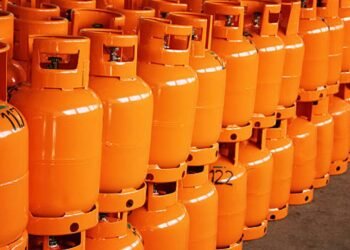





























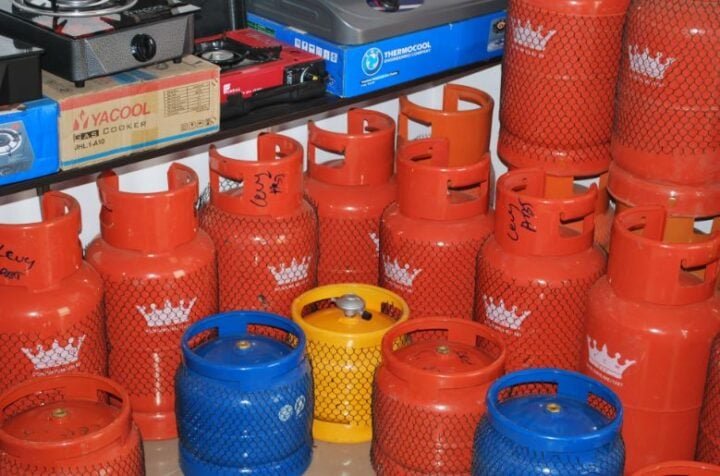
Residents of the Federal Capital Territory (FCT) are breathing a sigh of relief following a recent decline in Liquefied Petroleum Gas (LPG) costs.
Locals are now asking the Federal Government to maintain this downward trend. They believe lower prices will significantly ease the financial strain on average households. Currently, market surveys reveal that one kilogram of cooking gas sells between N1,080 and N1,400 across the city. notably, NIPCO outlets offer the most competitive rate at N1,080 per kilogram.
Consumers Welcome LPG Price Reduction
Many citizens see this change as a vital economic boost. Mrs. Victoria Ahaneku, a civil servant, praised the development. She explained that cheaper energy directly supports family budgets.
“The reduction in the price of cooking gas will increase consumer spending power because they have more disposable income to spend on other goods and services.”
However, Ahaneku urged authorities to push prices even lower. She noted that high costs previously forced many people to use expensive charcoal.
Similarly, Mrs. Mary Olobeyo, a businesswoman, expressed happiness but called for long-term solutions. She pointed out that logistics play a huge role in pricing.
“The government at all levels should adopt a combination of infrastructural, regulatory, and diversification strategies.
“This can be achieved by investing in alternative transportation and distribution methods, such as pipelines and rail, to reduce dependence on expensive road tanker trucks,” she said.
Impact on Cost of Living in Nigeria
While some celebrate, others remain cautious about the overall economy. Mr. Adebayo Olurunfemi, a businessman, feels the drop is small compared to general inflation.
“I commend the government for intervening and ensuring the issues at the Dangote Refinery and other depots were resolved, but more still needs to be done.
“The cost of living remains high in Nigeria with all sorts of taxes now, coupled with high rent, school fees, petrol prices, and bank charges, among others.

“Nigerians are still struggling daily. So the government still has a lot to do to make life easy for the people,” he stated.
Furthermore, Aisha Abubakar, a teacher, highlighted the issue of market instability. She insists that families need predictable prices.
“A further drop in cooking gas prices will encourage domestic usage and increase penetration across the country,” she noted.
Government Efforts to Stabilize Gas Market
Charity Samuel, a public servant, also shared her satisfaction. She emphasized that gas is a cleaner alternative for cooking.
“Nigerians are experiencing low purchasing power, so cheaper essential items like cooking gas will greatly help us.
“Many families rely on cooking gas because it is the cleanest cooking option. The government should ensure it is readily available and affordable to encourage wider usage,” she said.
Previously, the Federal Government promised to normalize rates after prices hit N1,800 per kg in September. Dr. Ekperikpe Ekpo, Minister of State for Petroleum Resources (Gas), linked past surges to strikes and maintenance issues. Consequently, regulators have increased monitoring at depots to prevent hoarding and ensure fair pricing for all Nigerians.