





























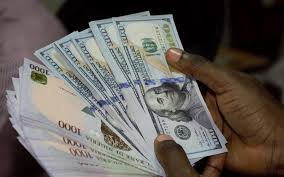
Nigeria’s foreign exchange reserves have risen to $41.00 billion as of August 19, 2025, the strongest level in nearly four years. According to new figures from the Central Bank of Nigeria (CBN), this marks the highest point since December 3, 2021, signaling renewed strength for the country’s external buffers.
Nigeria’s Foreign Exchange Reserves Rebound
The latest data shows that Nigeria’s foreign exchange reserves have recorded a sharp rebound after months of pressure from external debt repayments and market volatility.
CBN figures reveal that reserves have added $1.46 billion in August alone, climbing from $39.54 billion on August 1 to $41.00 billion by August 19. This translates to a 3.69 percent growth in less than three weeks, or an average of $81 million per day.
The upward trend began earlier this month, with reserves crossing the $40 billion mark on August 7, moving to $40.5 billion by August 12, and hitting the $41 billion milestone just a week later.
Strongest Position Since 2021
Despite this surge, Nigeria’s foreign exchange reserves have shown only modest gains on a year-to-date basis. At the end of December 2024, reserves stood at $40.88 billion, meaning the current level reflects an increase of just $124 million (0.30 percent) since January.

However, the real turnaround came in the last five weeks. After dipping to a low of $37.28 billion in early July, reserves have since added over $3 billion, equivalent to an 8 percent jump in barely a month.
CBN Capacity to Defend the Naira
Analysts say the rebound in Nigeria’s foreign exchange reserves strengthens the Central Bank’s ability to stabilize the naira, manage liquidity, and counter speculative pressures in the currency market.
“The latest figures show stronger inflows and improved resilience in Nigeria’s reserves position,” a financial analyst in Lagos told reporters. “This gives the CBN more room to defend the naira in times of pressure.”
Outlook for Nigeria’s External Reserves
The fresh boost places Nigeria at its strongest external reserve position since late 2021, reversing the prolonged depletion that stretched through 2022 and 2023. With global oil prices stabilizing and foreign inflows picking up, experts believe Nigeria could sustain reserves above the $40 billion mark in the near term—though external debt repayments remain a key risk.