




























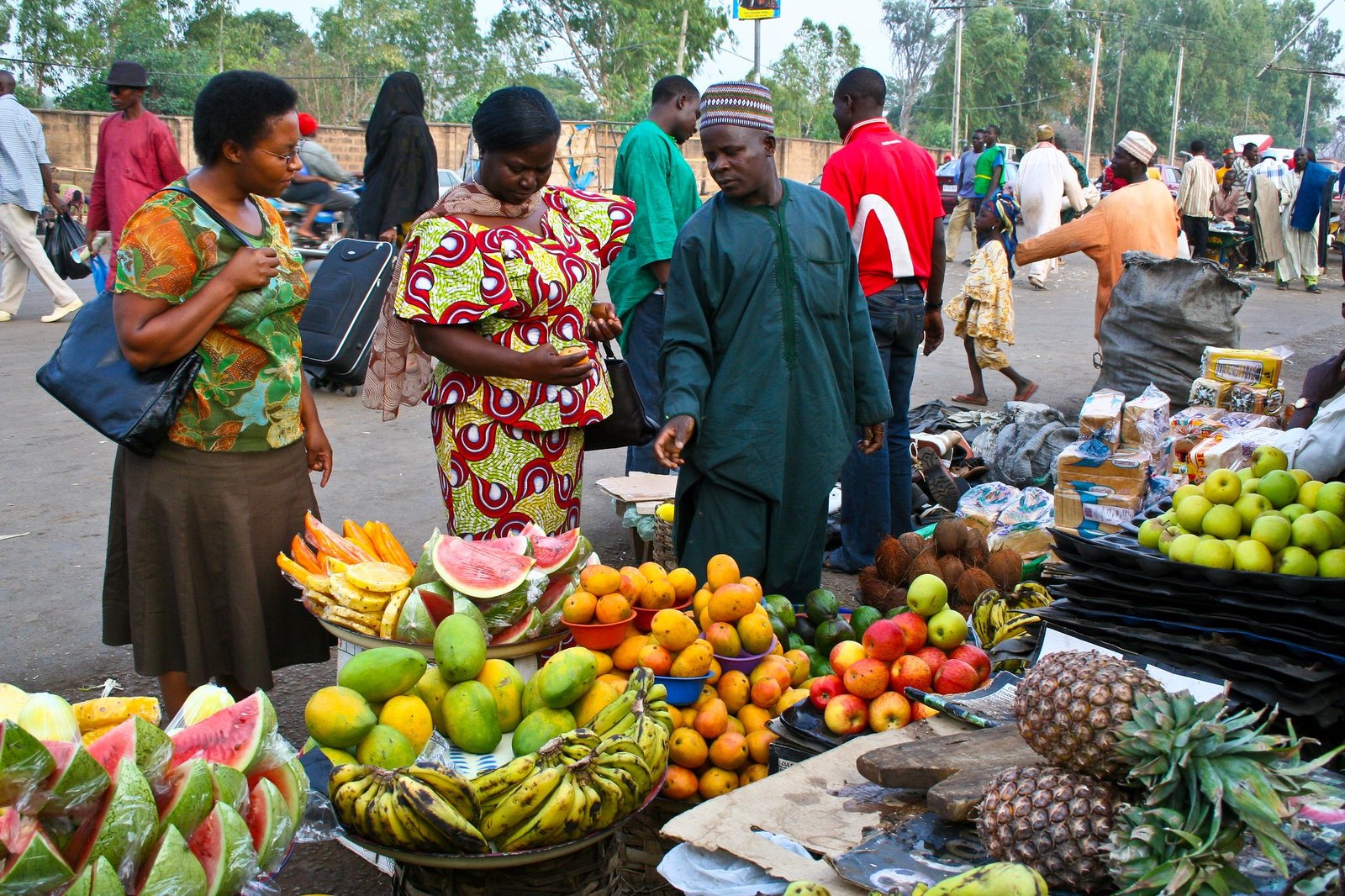
The Federal Government says food prices in Nigeria have dropped as crop production improves nationwide. The 2025 Agricultural Performance Survey (APS) revealed steady growth in major staples like rice, maize, yam, and cassava. According to the Minister of Agriculture and Food Security, Senator Abubakar Kyari, the positive trend reflects the impact of government interventions and better supply conditions.
Food Prices Drop, Crop Yields Rise Nationwide
Senator Abubakar Kyari said the 2025 APS confirms growth across key food crops such as rice, maize, sorghum, millet, cowpea, yam, and cassava. “The report confirms steady growth in the production of major staples, all of which show increases over 2024 levels,” he stated in a press release on Wednesday.
He attributed the “significant drop in food prices across all zones” to improved supply conditions and sustained agricultural reforms. Kyari credited government programs in input support, mechanisation, and extension service delivery for the progress.
Improved Data and New Standards for Agricultural Planning
The Minister commended the National Agricultural Extension and Research Liaison Services, Ahmadu Bello University, and the Ministry’s technical departments for their roles in the report. He described the APS as a “new standard of excellence and transparency in national agricultural performance reporting.”
According to Kyari, “This survey remains one of the most essential instruments for evidence-based planning, monitoring, and policy direction in Nigeria’s agricultural sector.” He explained that the data covers all 36 states and the FCT, integrating new datasets such as the Farm Family Census and Tractor Census.
Farmers Show Resilience Despite Climate and Cost Challenges
Kyari praised farmers for their resilience despite irregular rainfall, localised flooding, and pest attacks. “It is particularly heartening to see that farmers across regions have demonstrated remarkable resilience,” he said.
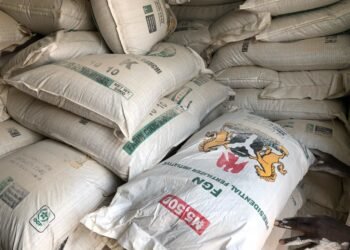
However, he warned that high input costs, especially fertiliser and fuel, still limit smallholder productivity. He added that postharvest losses, especially in the South-West and North-Central zones, threaten food availability and farmers’ income.
Livestock and Fisheries Face New Threats
The Minister expressed concern over livestock disease outbreaks and declining fisheries production in some regions. “The survey’s documentation of livestock disease outbreaks and fisheries decline underscores the need for stronger animal health systems and aquaculture development,” he noted.
Kyari called for adaptive measures to address the impacts of climate change and to build resilience across value chains.
Government Plans Year-Round Agricultural Monitoring
Reaffirming the Federal Government’s commitment to data-driven planning, Kyari announced plans to institutionalise a Dry Season Agricultural Performance Survey to complement the wet season exercise. “We shall ensure that national agricultural planning becomes a year-round, data-driven exercise,” he said.
He added that the next phase will focus on expanding local fertiliser production, advancing climate-smart farming, and strengthening extension systems through digital tools and new recruitments.
Boosting Mechanisation, Youth Inclusion, and Private Sector Partnerships
Kyari emphasised the need to modernise mechanisation and empower young people and women through technology. “We recognise the urgency of promoting the inclusion of youth and women through affordable, labour-saving technologies,” he said.
He pledged stronger partnerships with private sector players, research institutions, and state governments to sustain the agricultural gains.
Food Security Efforts Under Tinubu’s Administration
Over the past two years, Nigeria’s food sector has faced inflation, insecurity, and climate shocks. In July 2023, President Bola Tinubu declared a state of emergency on food security, launching the Renewed Hope Agricultural Mechanisation Programme, which deployed 2,000 tractors nationwide.
These efforts, combined with improved input distribution and institutional reforms, aimed to stabilise food supply and reduce import dependence. However, insecurity and rising costs remain significant challenges.

Nigeria Moves Toward Sustainable Food Security
The 2025 Agricultural Performance Survey marks a milestone in Nigeria’s journey toward sustainable food and nutrition security. Senator Kyari called for collaboration among federal and state governments, farmers, and research institutions to maintain the momentum.
“Let us continue to strengthen this vital knowledge system that guides Nigeria’s journey towards sustainable food and nutrition security,” he said.