




























Lagos, Nigeria – August 8, 2025 – Nigeria’s primary disease control authority, the Nigeria Centre for Disease Control and Prevention (NCDC), has issued a significant public health advisory, warning citizens of an increased risk of Chikungunya virus outbreaks in several states across the nation. The alert comes as epidemiological data points to a concerning rise in potential transmission conditions.

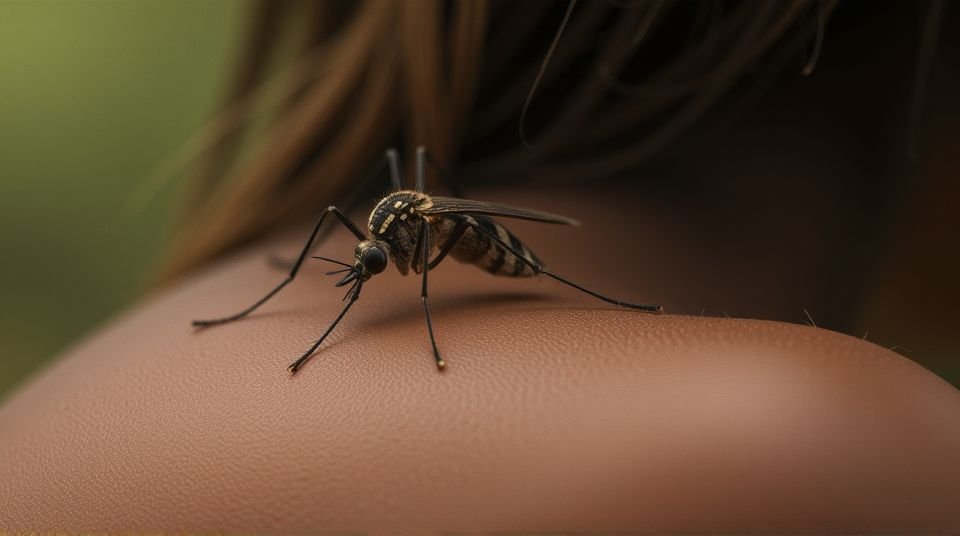
The NCDC, in its official statement released Friday, highlighted that the ongoing heavy rainfall, characteristic of Nigeria’s tropical climate, is creating ideal breeding grounds for the Aedes aegypti and Aedes albopictus mosquitoes. These insects are the primary vectors responsible for transmitting Chikungunya, alongside other notorious viruses like Dengue and Zika.
Understanding the Chikungunya Virus Threat
Chikungunya infection typically presents with sudden onset fever and debilitating joint pain, often accompanied by headache, muscle pain, fatigue, and a rash. While the disease is rarely fatal, the NCDC emphasized a critical concern: “the illness can lead to long-term joint problems in some patients.” This persistent morbidity can significantly impact quality of life and productivity.
Urgent Call for Prevention
The agency stressed that individual and community action is the most effective frontline defense against the virus. Nigerians are strongly urged to adopt the following protective measures immediately:
- Sleep under Insecticide-Treated Nets (ITNs): Ensure nets are properly hung and undamaged.
- Use EPA-approved Insect Repellents: Apply repellents containing DEET, Picaridin, or IR3535 to exposed skin and clothing.
- Wear Protective Clothing: Opt for long-sleeved shirts and long pants, especially during peak mosquito biting times (dawn and dusk).
- Eliminate Mosquito Breeding Sites: Regularly empty, clean, or cover containers that can hold stagnant water around homes – including buckets, drums, used tires, flower pots, and clogged gutters. This targets the mosquito larvae before they mature.
Healthcare Vigilance Crucial
The NCDC also directed crucial advice to healthcare professionals nationwide. Clinicians are urged to “maintain a high index of suspicion” for Chikungunya in patients presenting with fever and severe joint pain, particularly in regions known for Aedes mosquito activity. The centre mandated the prompt reporting of all suspected cases to local health authorities to facilitate rapid response and containment.
Coordinated Response Underway
Reassuring the public, the NCDC confirmed it is actively collaborating with state health ministries, international partners, and local communities. Efforts are focused on strengthening disease surveillance systems, enhancing laboratory diagnostic capabilities, and ensuring swift outbreak response teams are ready to deploy if needed.
The advisory concluded with a powerful, direct plea from the agency: “Nigerians must be proactive in protecting themselves from mosquito bites, as this is our most effective tool against Chikungunya.”
This warning underscores the critical intersection of climate, vector ecology, and public health vigilance. As the rains continue, the NCDC’s message is clear: proactive prevention at the household and community level is paramount to curbing the spread of this painful and potentially debilitating virus. Stay informed and take protective action now.
Source: NCDC Official Advisory (Adapted from NAN report)