
























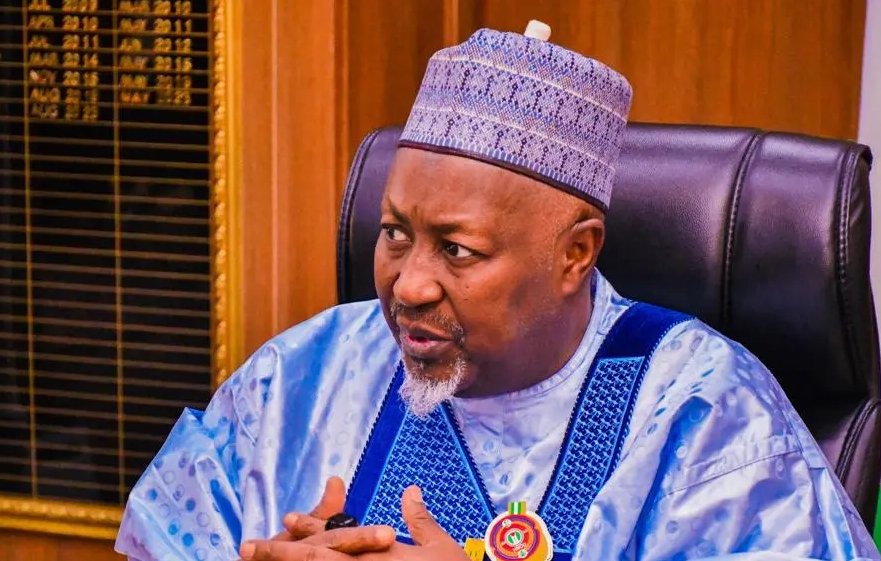
Nigeria’s Defence Minister, Mohammed Badaru Abubakar, has resigned from office as the country faces fresh waves of mass kidnappings and bandit attacks across northern Nigeria. The Presidency confirmed his exit late Monday after he submitted a formal resignation letter to President Bola Tinubu.
According to the President’s media adviser, Bayo Onanuga, Abubakar stepped down for health reasons. He had not appeared in public for weeks, which raised concerns about his status.
Tinubu Launches Major Security Actions
President Tinubu declared a national security emergency only days before the resignation. The move followed a surge in abductions by armed gangs and continued attacks by Islamist militants.
The United Nations reported on November 25 that at least 402 people had been abducted since mid-November. Analysts warn that weak governance and rising economic hardship continue to fuel the growing violence.
More than 200 Catholic school students kidnapped over a week ago remain missing. Nigerian officials have released few details about any rescue operations. Tinubu’s National Security Adviser visited the affected school and promised to bring the students home safely.
Mass Abductions Continue Across Northern Nigeria
In recent weeks, security fears grew further after the kidnapping of 25 students in Kebbi State and the abduction of about 300 students in Niger State. Bandit attacks also hit Sokoto, Kogi and Kwara States, increasing public pressure on the government.
In an interview with the BBC, Abubakar insisted that security forces were working “day and night” to counter the rising crime and stop renewed school kidnappings.
Tinubu Boosts Security Recruitment
Meanwhile, President Tinubu ordered the recruitment of 50,000 new police officers. He also approved more army enlistments, the deployment of forest guards, and the reassignment of VIP security escorts to frontline operations.
Tinubu met retired Defence Chief General Christopher Musa on Monday night. The meeting prompted new speculation among security analysts about a possible replacement for Abubakar.
Regional and International Concerns Grow
Security experts say Nigeria’s crisis is worsening because violence from the wider Sahel region is spreading southwards. Cheta Nwanze, a partner at SBM Intelligence, stressed the need for a new strategy.
“The implication is not just a change in personnel, but a glaring reminder of the need for a fundamentally new, community-trusted approach to security that addresses both internal governance and regional threats,” Nwanze said.

Nigeria Faces U.S. Scrutiny
Nigeria is also under increased scrutiny from the United States. U.S. President Donald Trump recently threatened military action over alleged persecution of Christians. Nigeria rejected the claim, saying it misrepresents a complex security situation.
Washington is weighing several actions, including sanctions and stronger counterterrorism cooperation, a senior U.S. State Department official said on November 20.