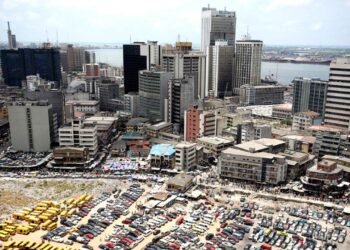



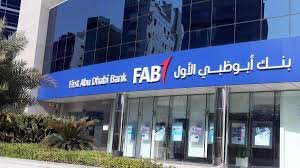



















LAGOS — First Abu Dhabi Bank plans to open a representative office in Nigeria soon. This move marks a major expansion. The UAE’s largest lender is betting big on sub-Saharan Africa. Consequently, Nigeria will anchor this regional growth strategy.

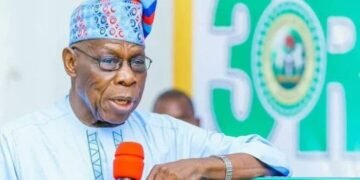
Martin Tricaud revealed the news on Monday. He serves as the Group Head of Wholesale Banking. Tricaud spoke at the Investopia Africa conference in Lagos. Furthermore, the bank expects to establish the Lagos office in the coming weeks.
Nigeria Becomes 22nd Market for First Abu Dhabi Bank
This entry adds to the bank’s global footprint. Currently, it operates across the Middle East, Europe, and Asia. In Africa, it already works in Egypt and Libya. Therefore, the Nigeria office fills a crucial gap.
“The decision to enter Nigeria is the result of a long reflection and detailed study,” Tricaud said.
He emphasized the strategic value of the location.
“We were absolutely convinced that we needed a presence in sub-Saharan Africa, and Nigeria, particularly Lagos, offers a compelling opportunity.”
Focus on Infrastructure and Energy
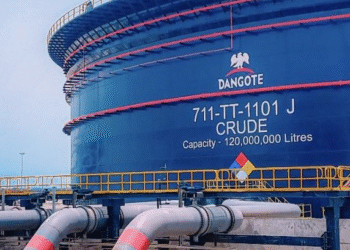
Historically, the bank focused on energy in Nigeria. This reflects the UAE’s deep expertise in oil and gas. Additionally, Nigeria’s status as a producer helped build strong relationships. However, the scope is now widening.
Tricaud noted, “But we felt there were more opportunities.”
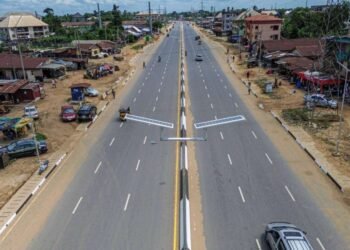
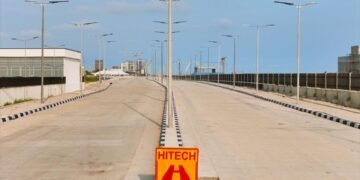
He cited infrastructure development as a key growth area. Recently, the lender backed a massive project. First Abu Dhabi Bank partnered with the African Export-Import Bank. Together, they provided $1.126 billion for the Lagos–Calabar Coastal Highway.
Mobilizing Global Capital for Nigeria
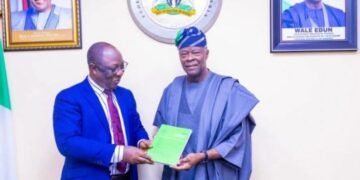
The bank works with diverse partners to structure financing. These include the Islamic Development Bank and Nigeria’s Ministry of Finance. Additionally, they collaborated with Hitech and the Chagoury Group.
“We have mobilised a significant amount of capital, not on our own,” Tricaud said.
He explained how they attract foreign investment through partnerships.
“There will be distribution and syndication. This shows that Nigeria can attract international capital into infrastructure.”
Tricaud believes the coastal road financing is just the start. Moreover, he expects further investments in roads and related projects.
Finally, he highlighted Africa’s economic trajectory. The continent’s population is booming. Thus, economic growth here may soon outpace many developed markets.