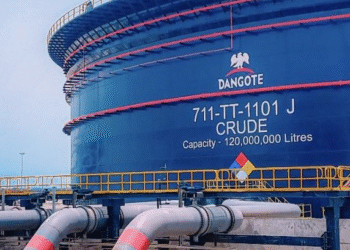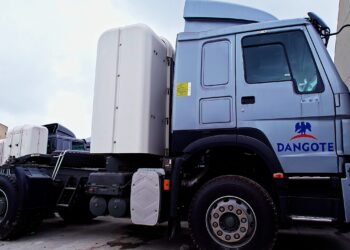



























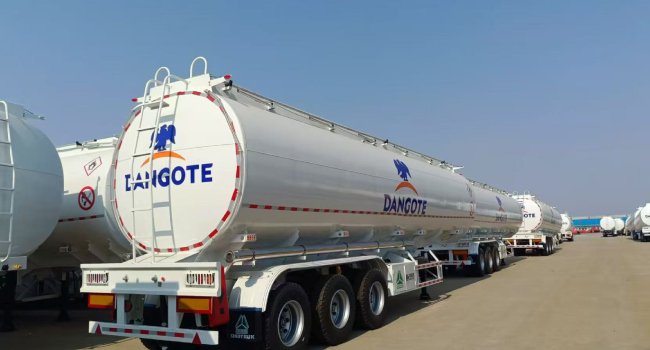
LAGOS, NIGERIA – August 10, 2025 – In a landmark move set to redefine Nigeria’s energy landscape, the Dangote Refinery has commenced the phased arrival of its massive fleet of 4,000 Compressed Natural Gas (CNG)-powered trucks. This critical step activates the refinery’s ambitious logistics program, paving the way for the nationwide distribution of its petroleum products to begin imminently.
The deployment of these state-of-the-art CNG trucks is far more than a logistical upgrade; it’s a strategic initiative designed to slash crippling distribution costs, enhance supply chain efficiency, and ultimately bring relief to Nigerian consumers and businesses. The program represents a colossal investment exceeding ₦720 billion by the refinery.
Transforming Distribution, Cutting Costs Nationwide
The impact promises to be profound. Dangote Refinery estimates this initiative will save the Nigerian economy over ₦1.7 trillion annually. A significant portion of these savings stems from the refinery absorbing the traditionally high logistics costs – estimated at ₦45 per litre – amounting to over ₦1.07 trillion in free distribution annually. This bold move effectively eliminates transportation costs for fuel marketers and large-scale consumers.
“Dangote’s acquisition of 4,000 CNG trucks is not only impressive in scale but also highly strategic,” declared Tosin Coker, Commercial Coordinator of the Presidential Compressed Natural Gas Initiative (PCNGI). “It signals to the market that CNG is no longer a distant prospect but a current, practical solution to high energy costs, emissions, and supply chain challenges. PCNGI regards this as a milestone achievement.“
Direct Delivery, Economic Revitalization
Starting August 15th, Dangote will initiate the direct delivery of petrol (PMS), diesel, and aviation fuel to filling stations, industrial complexes, and major consumers across Nigeria. The refinery aims to meet the nation’s entire daily demand of 65 million litres of refined products (45 million PMS, 15 million diesel, 5 million aviation fuel).
Beyond pump price reductions, the initiative is poised to:
- Empower MSMEs: Over 42 million Micro, Small, and Medium Enterprises are expected to benefit from lower energy costs, boosting profitability.
- Create Jobs: Projections indicate over 15,000 direct jobs will be generated in logistics, driving, and CNG station management, potentially reviving dormant filling stations.
- Combat Inflation & Smuggling: Reduced distribution costs are anticipated to lower production expenses, ease inflation, and curb cross-border fuel smuggling.
- Promote Sustainability: The CNG fleet offers a cleaner, more environmentally friendly alternative to diesel trucks.
Industry Hails “Revolutionary” and “Timely” Move
The development has garnered strong endorsement from industry stakeholders and economists.
“Our pipelines have been non-functional for years… Dangote’s intervention lifts a huge burden off the shoulders of independent marketers,” stated Chinedu Ukadike, IPMAN National Publicity Secretary, calling it a “timely resolution.”
Energy analyst Ibukun Phillips described the initiative as “revolutionary,” highlighting its potential to improve affordability and access, “particularly for rural consumers who typically pay more despite earning less… This could also revive abandoned filling stations and promote equitable distribution.“
Economic Rationale and Bypassing Inefficiency
Addressing concerns, economist Bismarck Rewane dismissed monopoly fears, pointing to systemic inefficiencies. He explained Dangote’s model achieves two key goals: uniform nationwide pricing by eliminating bridging costs, and drastically reduced logistics expenses via CNG trucks.

“In economic terms, middlemen… are often viewed as parasitic… Dangote is bypassing this layer by directly handling distribution,” Rewane noted, also highlighting the provision of credit facilities to retailers.
Dangote Refinery CNG trucks – A Pivotal Moment for Nigeria
With the first CNG trucks arriving and direct distribution set to launch within days, the Dangote Refinery is triggering a seismic shift in how fuel reaches Nigerians. By absorbing massive logistics costs, investing in cleaner technology, and creating thousands of jobs, this initiative stands as a defining moment in Nigeria’s quest for energy independence, economic efficiency, and a more sustainable future. The nation watches as the wheels of this transformative logistics program begin to turn.