





























Abuja, Nigeria – August 13, 2025 – In a major policy shift aimed at tackling systemic inefficiency and waste, President Bola Tinubu’s administration has imposed a sweeping seven-year ban on establishing new federal universities, polytechnics, and colleges of education across Nigeria. The decisive move, finalized during Wednesday’s Federal Executive Council (FEC) meeting presided over by the President at the Aso Rock Presidential Villa, signals a sharp pivot from expansion to consolidation within the nation’s tertiary education sector.
Halting Expansion to Fix the Foundations
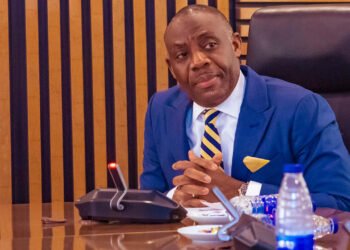
Announcing the landmark moratorium to State House correspondents, the Minister of Education, Dr. Tunji Alausa, revealed the embargo applies universally to all categories of federal tertiary institutions. The decision stems from alarming data exposing severe underutilization and misallocation of resources within the existing system.
“Nigeria currently operates 72 federal universities, 42 federal polytechnics, and 28 federal colleges of education,” Minister Alausa stated, highlighting the sheer scale alongside hundreds of state and private institutions. “Yet, the reality is stark. In the 2024/2025 academic session alone, 199 universities had fewer than 100 candidates applying through JAMB, and a shocking 34 recorded zero applicants.”
The crisis extends beyond universities. Alausa disclosed that 295 polytechnics (public and private combined) each had fewer than 100 applicants, while 64 colleges of education attracted no applicants whatsoever.
“Empty Buildings Chasing Prestige”: A System in Crisis
The Minister painted a vivid picture of inefficiency, citing one particularly stark example: “We have one federal university with fewer than 800 students but a staggering 1,200 staff members.” He further pointed to federal universities in certain northern states operating with fewer than 2,000 students despite billions of Naira spent annually on their upkeep.
“This moratorium is not about halting progress,” Alausa emphasized, “but about redirecting our focus and resources. For the next seven years, we will concentrate on rehabilitating decayed infrastructure, hiring and training qualified lecturers, and significantly expanding the capacity and quality of our existing institutions. We must stop chasing prestige with empty buildings.”
The ultimate goal, according to the Minister, aligns with President Tinubu’s directive: “To ensure Nigerian graduates remain competitive and respected globally. This consolidation phase is crucial to delivering education that meets the highest international standards.”

The government’s move comes against a backdrop of intense pressure from the Academic Staff Union of Universities (ASUU), which has long condemned the “reckless and excessive” establishment of new universities while existing ones crumble.
The Path Forward to Breaking: Establishing New Federal Universities
The Tinubu administration’s seven-year ban marks a significant acknowledgment of deep-rooted problems: underfunded institutions, gross inefficiency, and alarming under-enrollment despite a vast network of schools. While aiming to optimize existing infrastructure and resources, the policy faces the immediate challenge of addressing ASUU’s demands and the palpable discontent brewing on campuses nationwide. The success of this consolidation effort will hinge on tangible improvements in funding, facilities, lecturer welfare, and ultimately, the quality of education delivered to Nigeria’s students.