























Get ready, Nigeria! The sleepy Baro River Port in Niger State is finally getting the wake-up call it needs.
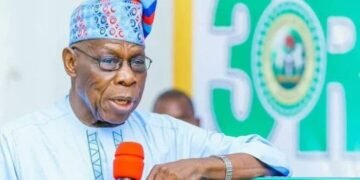
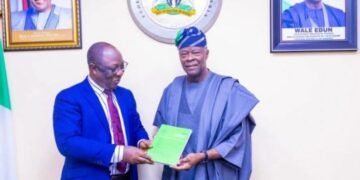
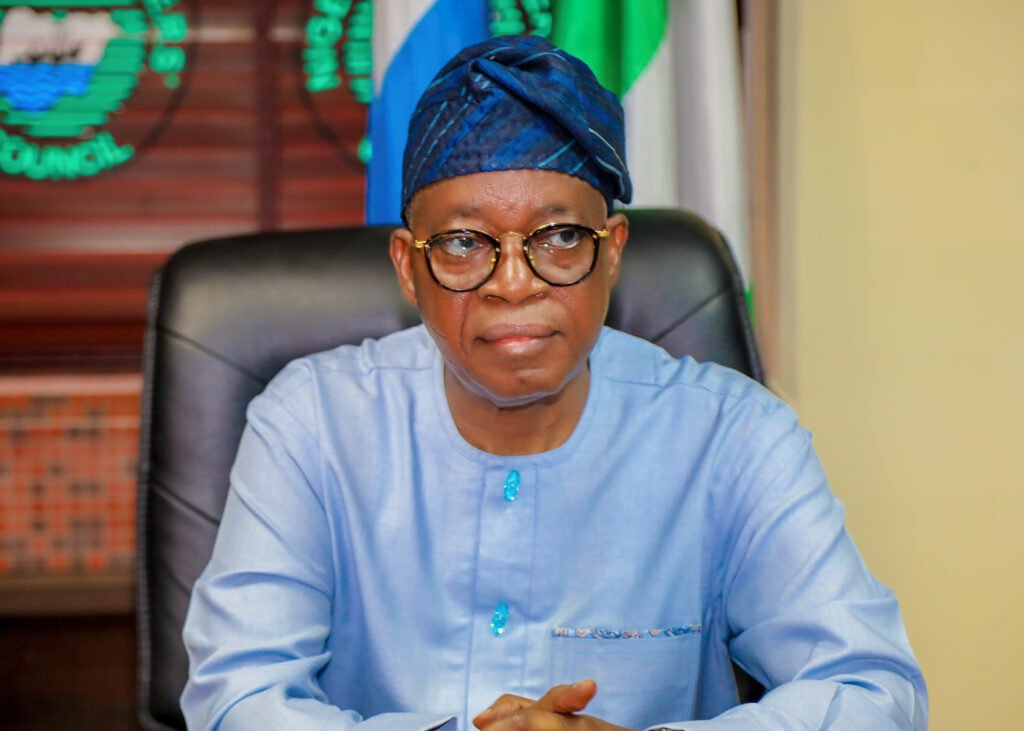
Minister of Marine and Blue Economy, Adegboyega Oyetola, stood before lawmakers this week and declared: “Our Ministry remains unwavering in its determination to transform Baro from a dormant facility into a thriving inland gateway.” He was speaking to a special House of Representatives committee focused on getting Baro Port fully operational.
Why Has Baro Port Been Sleeping?
Even though it got a fancy commissioning ceremony back in 2019, Baro Port has basically been collecting dust. Minister Oyetola didn’t sugarcoat the reasons: “Although commissioned in 2019 under the past administration, the port has faced operational constraints — chief among them, the absence of critical road and rail linkages and navigability challenges along the River Niger.”
Simply put? Big boats can’t reliably reach it because the river isn’t deep enough year-round, and once cargo does get there, there aren’t good roads or train tracks to move it anywhere. On top of that, Oyetola admitted the project his ministry inherited has been starved of cash.
The Revival Plan: Dredging, Roads, Rails & Partners
So, what’s the game plan to wake Baro up? Oyetola spelled it out:
- Major Dredging: Giving the River Niger a serious clean-out, especially around Baro, and keeping it dredged regularly. The National Inland Waterways Authority (NIWA) is even planning a massive project to dredge up to 2,000 kilometers of waterways nationwide!
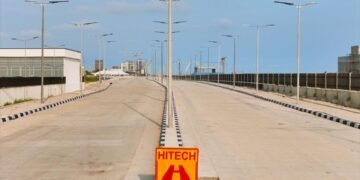
- Building Roads & Rails: Crucial links to connect the port to the rest of Nigeria’s transport network. Think highways and train lines getting goods moving smoothly.
- Bringing in the Private Sector: Setting up clear rules and attracting private companies to invest and run things efficiently. Plans are already rolling to “concession” the port – hand it over to private operators with the know-how and cash.
- Teamwork: Oyetola stressed they’re working hand-in-hand with the Ministries of Works and Transportation to create a seamless plan.
Why Bother? Big Benefits for Nigeria
Reviving Baro isn’t just about one port. It’s strategic:
- Trade Boost: Oyetola believes a working Baro Port can make Nigeria more competitive under the big African free trade deal (AfCFTA).
- Farmers Win: Its location is perfect for moving farm goods from Nigeria’s rich northern fields.
- Network Power: It can connect easily to other key inland ports like Onitsha, Lokoja, and Warri.
- Road Relief: Taking cargo off overloaded trucks and putting it onto boats and trains will ease pressure on our highways.
- History Lives: NIWA boss Bola Oyebamiji reminded everyone that Baro isn’t new – it was first set up way back in 1908 by Lord Lugard to move farm produce and animals between North and South. Bringing it back taps into that legacy.
Funding Hurdles & Next Steps
Everyone agrees the biggest roadblock is money. Transportation Minister Sa’idu Ahmed Alkali appealed directly to lawmakers for better budgets. While the original port construction cost ₦3.56 billion (with ₦3.35 billion already paid), getting the connections built needs serious investment.

The House Committee Chairman, Rt. Hon. Saidu Musa Abdullahi, made it clear they’re there to help, not point fingers. “Our role is facilitative,” he said, calling the port’s value “immense and non-negotiable.” They’re planning a big national meeting with all stakeholders to build support and are kicking things off with an immediate inspection visit to Baro Port this Saturday.
The Bottom Line
After years of delay, there’s real momentum behind Baro Port. The government has a clear checklist: dredge the river, build the roads and rails, and partner with the private sector. If they can secure the funding and follow through, this historic port could soon become a major engine for trade and economic growth right in the heart of Nigeria. Stay tuned!