






















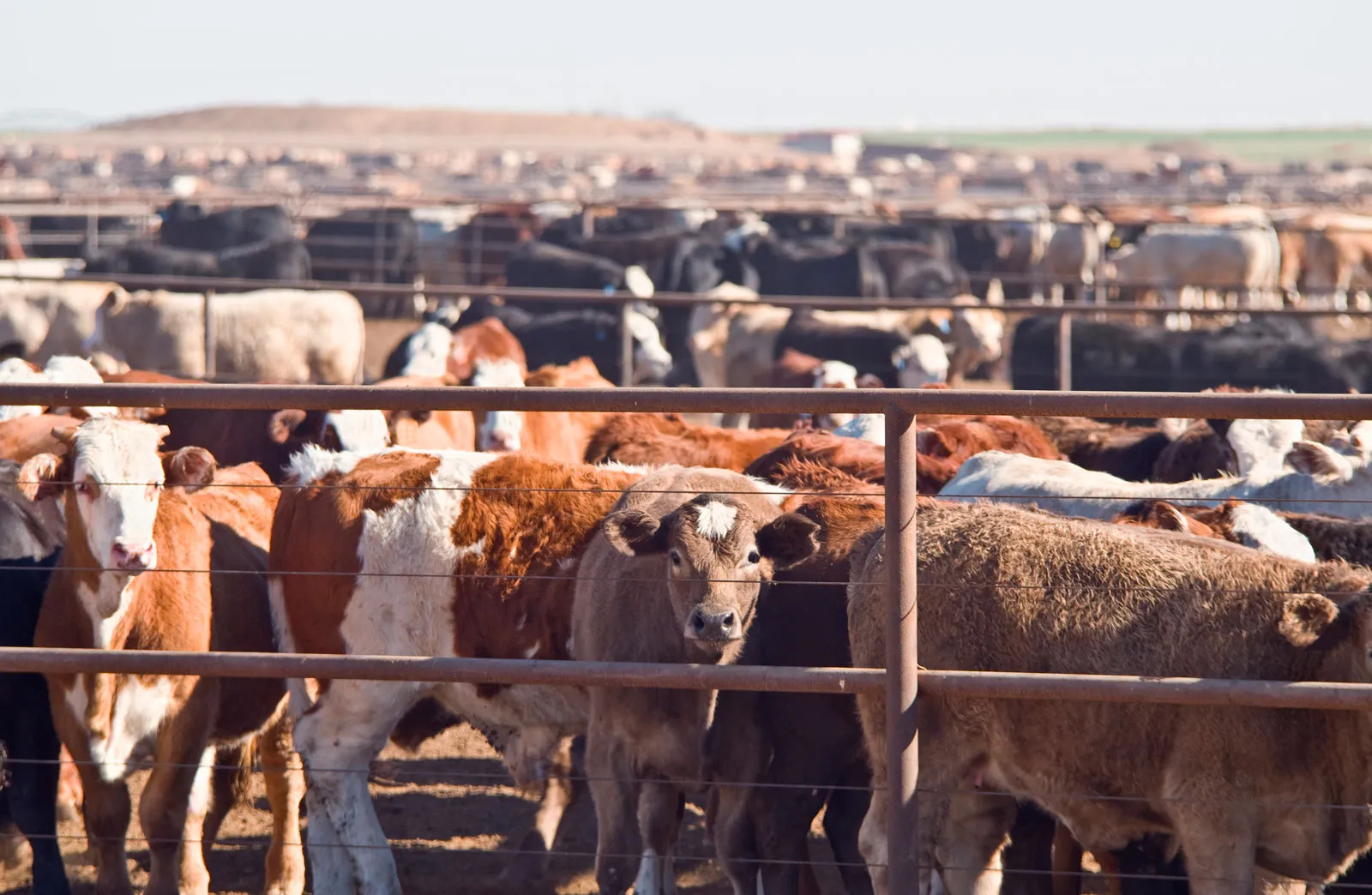
The Federal Government has launched the National Livestock Master Plan (N-LMP) to tackle long-standing challenges in the livestock sector and attract more investment from development partners and the private sector.
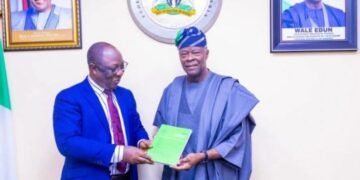
The plan, presented on Thursday in Abuja, was developed by the Livestock Productivity and Resilience Support Project (L-PRES) in partnership with the International Livestock Research Institute (ILRI), Nairobi, Kenya, and the Bill and Melinda Gates Foundation. It was formally handed to the Minister of Livestock Development, Idi Maiha, by Sanusi Abubakar, the national project coordinator of L-PRES.
Speaking at the event, Maiha described the master plan as a strategic roadmap to transform livestock production in Nigeria. According to him, the sector currently contributes about 17 percent to agricultural GDP and five percent to the national GDP.
“Millions of Nigerians depend on livestock for their livelihoods, and the sector is also crucial for meeting the nation’s protein needs,” he said.
The minister explained that the new plan will run for five years and is designed to raise productivity, strengthen infrastructure, reduce disease outbreaks and improve access to markets. He stressed that the N-LMP will prioritise key commodities, highlight technology and policy interventions, and provide foresight analysis on expected investment returns.
Maiha noted that beyond food production, the plan is expected to drive job creation, poverty reduction, nutrition, gender inclusion, youth employment and environmental sustainability.
He also drew lessons from Tanzania, where a similar model supported by ILRI in 2018 attracted $624 million in research investment and boosted private sector involvement.
“The N-LMP will enable Nigeria to implement the Livestock Development Strategy for Africa (LiDeSA) and contribute to the Malabo Declaration as well as the Sustainable Development Goals (SDGs),” Maiha added.
Calling for unity, he urged stakeholders to embrace the project, attract the necessary funding, and work together to build a strong and equitable livestock industry.
Sanusi Abubakar highlighted that the plan covers the entire livestock value chain, from feed production to species development. He said it also defines the roles of federal and state governments, private investors, and other stakeholders.
“The private sector is key to unlocking investment and the full potential of the industry. It will play a central role in food security, job creation, poverty reduction and social cohesion,” Abubakar stressed.

On his part, Sirak Batha, senior agricultural economist at ILRI, outlined four components of the plan. They include a systemic assessment of the sector’s challenges, a medium-term strategy based on forward analysis, a short-term investment plan for specific commodities and value chains, and a public-private coalition to drive reforms.
With the unveiling of the National Livestock Master Plan, Nigeria is taking bold steps to strengthen food security and position the livestock sector as a major driver of economic growth.