





























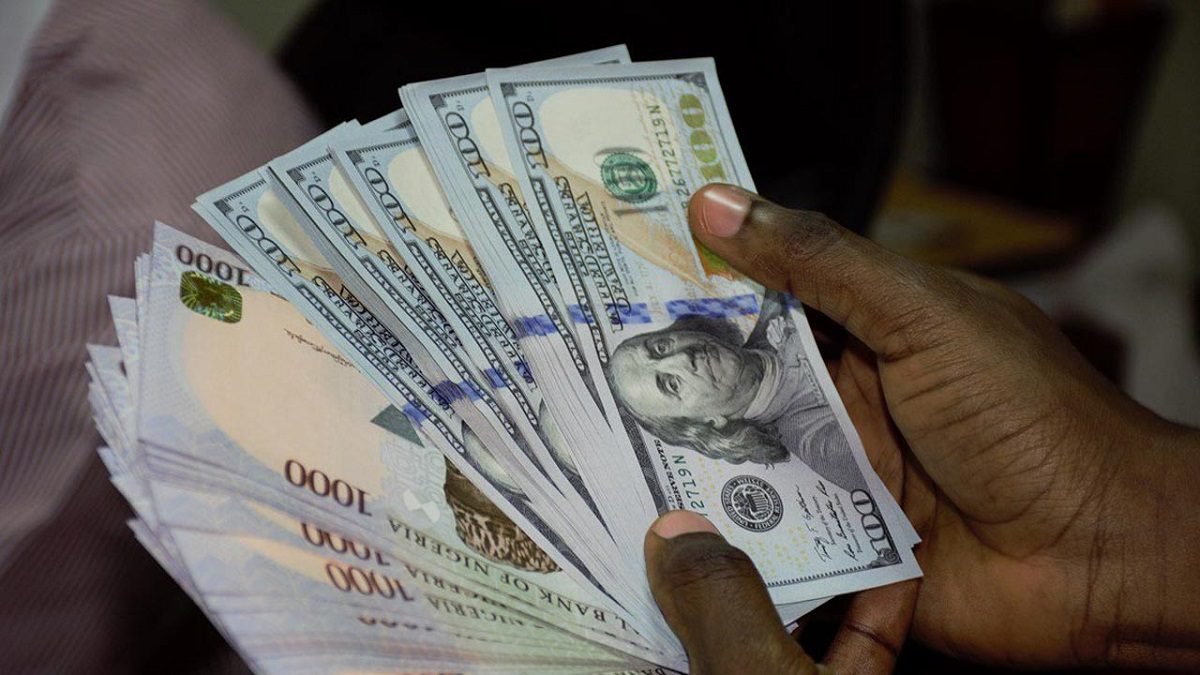
LAGOS, NIGERIA – August 11, 2025 – In a positive signal for Africa’s largest economy, the Nigerian Naira extended its recent appreciation streak against the US Dollar at the official market on Friday, August 8, 2025. This upward momentum coincides with the nation’s external reserves climbing to a significant $40.16 billion – the highest level recorded since July 2025, according to the latest Central Bank of Nigeria (CBN) data.
Official Market Sees Sustained Strengthening
Data released by the Central Bank of Nigeria revealed that the Naira closed trading on Friday at ₦1,533.57 per US dollar at the official Nigerian Foreign Exchange Market (NAFEM). This marked a slight but notable improvement from Thursday’s closing rate of ₦1,533.73. Accordingly, this means the naira gained N0.16 marginally against the dollar on a day-to-day basis in the official trading window.
Black Market Holds Steady
While the official market witnessed gains, the parallel market, often referred to as the black market, remained stable. On Friday, the exchange rate held firm at ₦1,565 per dollar, mirroring the rate observed the previous day. This stability, coupled with the official appreciation, suggests a potential narrowing of the gap between the two markets – a key indicator often watched by investors and economists.
Reserves Hit Highest Point in Over a Month
The backdrop to this currency strength is the continued build-up of Nigeria’s external reserves. As of August 7, 2025, the reserves reached $40.16 billion. This represents the highest point since July 2025. The development comes as the country’s external reserves rose to $40.16 billion, the highest since July, reinforcing the trend of accumulation.
This new peak follows confirmation by CBN Governor Olayemi Cardoso in July that reserves had already swelled to $40.11 billion, up from $39.99 billion as of August 6, 2025. The consistent increase highlights ongoing efforts to bolster the nation’s foreign currency buffers, crucial for defending the Naira and meeting international payment obligations.

Context and Implications
The rising external reserves are a critical factor bolstering confidence in the Nigerian economy. Higher reserves provide the Central Bank with greater firepower to intervene in the forex market, smoothing volatility and supporting the Naira’s value. It also enhances Nigeria’s ability to manage external debt payments and import needs.
The marginal but consistent appreciation of the Naira at the official window, alongside stable parallel market rates, suggests that recent CBN policies aimed at improving forex liquidity and attracting foreign inflows may be yielding positive results. Market analysts will be closely watching to see if this trend of reserve accumulation and currency stability can be sustained in the coming weeks.
Looking Ahead
While the gains are modest, the combined news of a stronger official exchange rate and a significant reserve milestone exceeding $40 billion provides a welcome dose of optimism for Nigeria’s economic outlook. Sustaining this momentum will be key, requiring continued focus on policies that boost exports, attract foreign investment, and maintain fiscal discipline. Governor Cardoso and the CBN will likely face continued scrutiny as markets assess the durability of these positive indicators.