





























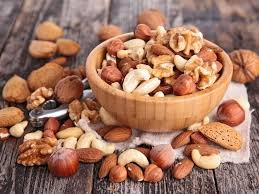
Nuts for brain health often rank among the smartest snacks. They travel well, satisfy hunger, and deliver powerful nutrients. However, cognitive health depends on more than the nut itself. Processing, storage, salt, and portion size can quietly change how nuts affect memory, focus, and long-term brain resilience.
According to nutrition and neuroscience research, some nuts actively protect the brain. Others may harm cognitive health under certain conditions. Below is a clear, science-based guide to help you choose wisely.
Nuts to Eat with Caution
1. Peanuts — Handle With Care
Peanuts are affordable and nutritious, providing plant protein, healthy fats, and brain-supporting nutrients like niacin and vitamin E. However, their safety depends greatly on proper processing and storage.
The main risk is aflatoxins, toxic molds that grow in warm, humid conditions due to poor drying or storage. “Aflatoxins cross the blood-brain barrier, promoting oxidative stress and impairing neuronal function,” which can harm cognition over time. To reduce risk, buy vacuum-sealed or roasted peanuts from trusted brands, store them in cool, dry places, and discard any with musty smells, bitter taste, or discoloration.
2. Salt-Heavy Pistachios — The Hidden Brain Drain
Salt-heavy pistachios can undermine the brain benefits of this otherwise healthy nut. Plain pistachios provide healthy fats, fiber, antioxidants, and vitamin B6, all of which support neurotransmitter function and cognition. However, many packaged versions are heavily salted, with some brands delivering more than 500 mg of sodium per ounce.
This excess sodium can harm brain health. “Excess sodium elevates blood pressure, restricts cerebral blood flow, and reduces oxygen delivery to the brain,” which may impair memory and mental performance over time. To limit risk, choose unsalted or lightly salted pistachios containing no more than 100 mg of sodium per serving and always check nutrition labels.

3. Fried Cashews — When Processing Backfires
Cashews are naturally packed with healthy fats, magnesium, and antioxidants that help fuel the brain and support cognitive function. Eating them raw or dry-roasted provides steady energy and supports neurotransmitter health. However, frying cashews changes their nutritional profile, often reducing their natural benefits and introducing harmful compounds.
The main concern is oxidized oils. Deep frying in soybean or palm oil produces these fats, which “trigger neuroinflammation, a known driver of cognitive decline and mood disorders.” To protect brain health, opt for raw or dry-roasted cashews and avoid “oil-roasted” products unless high-oleic oils are specifically used. This ensures you retain the brain-boosting benefits without the risks.
4. Brazil Nuts — Too Much of a Good Thing
Brazil nuts are a rich source of selenium, a mineral essential for brain health, antioxidant defense, and thyroid function. Selenium supports cognitive processes and protects neurons from oxidative stress. While this makes Brazil nuts highly beneficial, their selenium content is extremely concentrated—one nut can provide 68–91 micrograms, approaching the recommended daily limit for adults.
Consuming too many can lead to selenium toxicity, causing symptoms such as “nervous system irritability, memory lapses, hair loss, and garlic-like breath.” To enjoy their benefits safely, limit intake to one or two nuts, two to three times per week. This moderation ensures sufficient selenium for brain support without risking harmful side effects.
Nuts That Actively Protect Brain Health
1. Walnuts — The Brain’s Omega-3 Powerhouse
Walnuts are often called the brain’s nut because their shape and texture resemble the human brain, and they provide nutrients that directly support cognitive function. They are rich in alpha-linolenic acid (ALA), a plant-based omega-3 fatty acid essential for maintaining neuronal health, reducing inflammation, and supporting overall brain structure.
Beyond omega-3s, walnuts contain polyphenols, melatonin, and vitamin E, all of which act as antioxidants to protect brain cells from oxidative stress and age-related damage. Studies show that “regular walnut intake links to better memory and up to 21% lower cognitive decline risk,” highlighting their potential to support long-term mental performance.
To maximize benefits, aim for about seven walnut halves daily. They can be added to oatmeal, tossed into salads, or mixed into yogurt for a convenient, nutrient-rich boost. Consistent daily consumption ensures a steady supply of brain-protective compounds without excessive calorie intake.
2. Almonds — Antioxidant Defenders of Memory
Almonds are a powerful ally for brain health, helping protect neurons from daily oxidative stress that can impair memory and cognitive function over time. They are one of the top nut sources of vitamin E, providing about 26% of the daily recommended value per ounce. This antioxidant shields brain cells from free radicals, reducing inflammation and supporting long-term mental clarity.
In addition to vitamin E, almonds are rich in magnesium, which helps stabilize blood sugar levels and maintain steady mental energy throughout the day. To get the most from almonds, soak them overnight to improve digestibility or blend them into smoothies for a nutrient-packed brain boost. Regular inclusion of almonds in your diet supports both memory and overall cognitive performance.
3. Hazelnuts — Neurotransmitter Support Stars
Hazelnuts are rich in nutrients that help maintain healthy communication between brain cells. They are particularly high in folate, a B-vitamin essential for producing acetylcholine, a neurotransmitter that plays a key role in memory, learning, and overall cognitive function. Adequate folate helps support efficient brain signaling and protects against cognitive decline.
Research highlights the importance of folate for brain health: “Folate deficiency raises homocysteine, a known Alzheimer’s risk factor.” Consuming hazelnuts regularly can help maintain healthy folate levels and reduce this risk. For a tasty and brain-friendly combination, lightly toast hazelnuts and pair them with dark chocolate, which adds antioxidants and enhances their cognitive benefits.
4. Pecans — Natural Inflammation Fighters
Pecans are among the most antioxidant-rich nuts, making them a powerful choice for protecting the brain against oxidative stress and inflammation. Their impressive ORAC score of 17,950 µmol TE per 100 grams surpasses most other nuts, highlighting their ability to neutralize harmful free radicals that can damage neurons and impair cognitive function.
Key compounds in pecans, including ellagic acid and gamma-tocopherol, provide targeted protection for brain tissue by reducing inflammation and supporting overall neural health. To incorporate pecans into your diet, sprinkle them over yogurt or low-sugar granola for a nutrient-packed snack that delivers both taste and brain-boosting benefits. Regular consumption may help slow age-related cognitive decline and enhance mental resilience.
What to Consider: Choose Nuts With Intention
Protecting memory and mental clarity starts with mindful nut choices. Aim for a daily serving of one small handful, roughly 25–30 grams, and favor raw or dry-roasted nuts over fried or glazed options. Opt for unsalted or low-sodium varieties to avoid blood pressure spikes that can impair brain function. Proper storage is also key—keep nuts airtight in the fridge or freezer to preserve nutrients and prevent rancidity. Rotating different nut types weekly ensures a diverse supply of phytonutrients that collectively support cognitive health.
Your brain benefits most from consistent, thoughtful habits rather than extremes. Regularly consuming well-prepared nuts can enhance memory, focus, and long-term cognitive resilience. As experts emphasize, “A daily handful of thoughtfully chosen nuts for brain health isn’t a cure—but over time, it becomes powerful prevention.” Before snacking, pause to read labels, check freshness, and select nuts that truly nourish your brain—building healthy habits that pay off today and decades into the future.