


























President Bola Tinubu’s swift military response helped foil a coup attempt in the Republic of Benin on Sunday. At the request of Benin’s President Patrice Talon, Nigeria deployed air and ground forces to stop mutineers from seizing power. This decisive action prevented the coup plotters from taking control of key sites like National TV and a military camp.
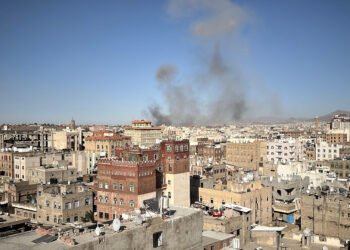
Nigeria’s Air Force played a crucial role, entering Benin’s airspace and deterring the coup leaders with fighter jet patrols. Sources revealed that Nigerian jets dropped explosives in parts of Benin to scare off the militants, forcing them to retreat. Meanwhile, ground troops were mobilized along land borders from Nigerian battalions stationed in Ikorodu, Badagry, and Owode, maintaining close surveillance and ready for rapid intervention.
The Nigerian presidency confirmed the intervention was conducted under Benin’s coordination and included ground forces strictly approved by Benin’s command. A statement explained, “The government requested Nigerian ground forces in support of protecting constitutional institutions and containing armed groups.” The Nigerian military followed all directives from President Tinubu, in line with the ECOWAS Protocol on Democracy and Good Governance.
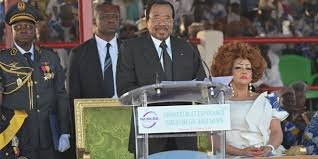
Benin’s President Talon addressed the nation after loyal forces regained control, acknowledging the tragic impact of the failed takeover. “I express my condolences to the victims of this senseless adventure and to those still held by fleeing mutineers,” he said. “We will do everything to recover them safely.”
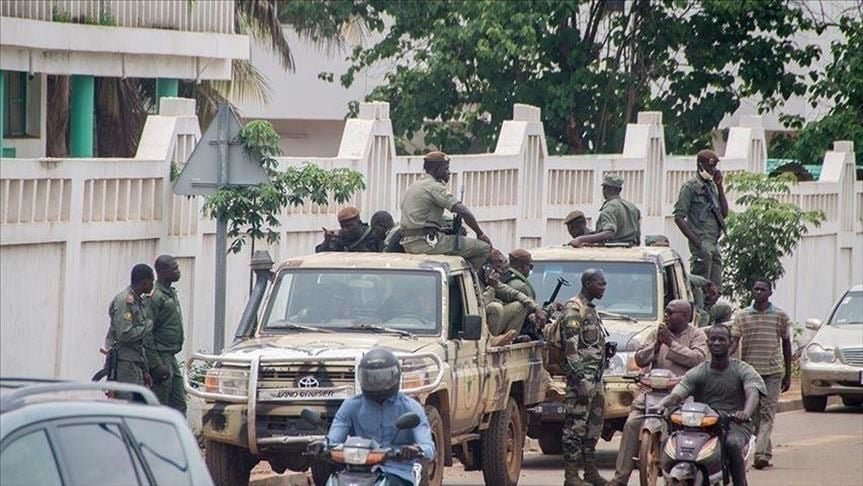
The coup attempt began with gunfire ringing out in multiple neighborhoods in Cotonou, followed by armed soldiers appearing on state television. The group, calling itself the Military Committee for Refoundation and led by Colonel Tigri Pascal, announced the suspension of the constitution and closure of all borders. They cited worsening security in northern Benin and neglected soldiers as their reasons for the takeover.
This incident is part of a broader trend of political instability in West Africa, where Mali, Burkina Faso, Guinea, and Niger have seen coups since 2020. ECOWAS swiftly condemned the attack as “a subversion of the will of the people of Benin” and authorized a regional force including troops from Nigeria, Sierra Leone, Côte d’Ivoire, and Ghana to respond.
Nigeria’s Chief of Defence Staff, General Olufemi Oluyede, confirmed full compliance with Benin’s request. President Tinubu praised the Nigerian Armed Forces for protecting democracy beyond Nigeria’s borders, saying, “They have helped stabilise a neighbouring country and made us proud of their commitment to sustaining democratic values since 1999.”
Though Benin has been coup-free for nearly 50 years, rising insecurity in its northern region may have fueled the unrest. President Talon, who has been in power since 2016, is expected to step down next April. The rapid collapse of the coup highlighted strong regional solidarity and efficient military coordination led by Nigeria.

This united effort demonstrates Nigeria’s growing leadership in safeguarding West African security and democracy amid rising instability in the region.